Why Bale Mountains deserves its own destination hub
Bale is not only a trekking area. It also supports birding, endemic wildlife, afro-alpine landscapes, and mixed nature itineraries that differ from Simien or cultural routes elsewhere in Ethiopia.
Bale Mountains is a high-value destination for nature travel, trekking, wildlife, and birding in Ethiopia. Visitors here are often comparing habitat diversity, trekking style, wildlife value, and how Bale fits within broader southern or nature-led itineraries.
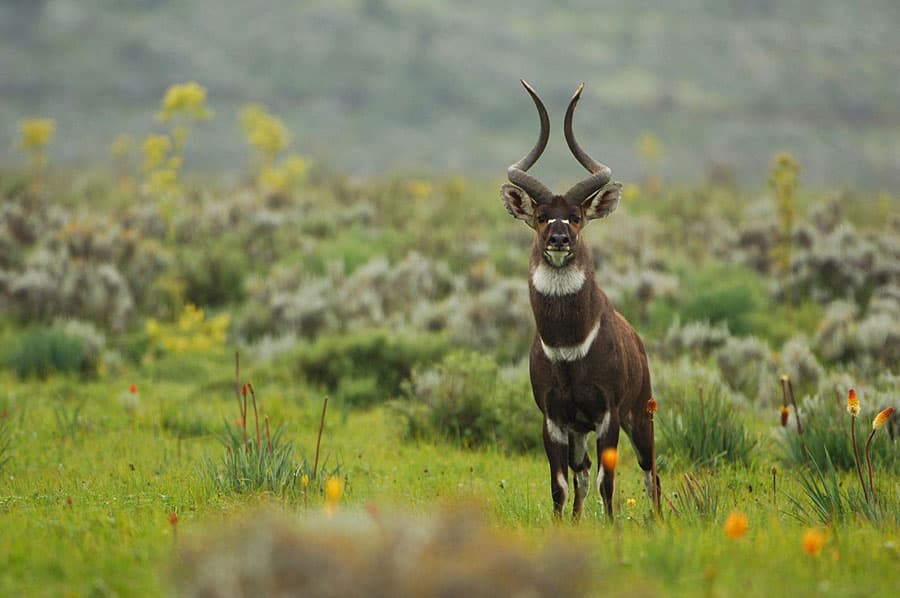
Bale is not only a trekking area. It also supports birding, endemic wildlife, afro-alpine landscapes, and mixed nature itineraries that differ from Simien or cultural routes elsewhere in Ethiopia.
Most visitors compare Bale around wildlife interest, birding depth, trekking comfort, and whether the trip is a stand-alone mountain route or part of a longer southern Ethiopia itinerary.
These tours are the strongest match for travellers searching this destination and comparing how to explore it.
These articles add destination context, route ideas, and planning insight before booking.
Use these supporting pages to compare transport, route design, and the wider Ethiopia trip around this destination.
These answers cover the most common planning questions travellers ask before adding this destination to their Ethiopia route.
Bale Mountains is known for trekking, birding, endemic wildlife, afro-alpine landscapes, and one of Ethiopia’s richest highland nature environments.
No. Bale also works well for wildlife, birding, photography, and broader nature travel beyond trekking alone.
Yes. Bale can be linked with Rift Valley lakes, Arba Minch, Omo Valley, and broader south Ethiopia routes depending on the itinerary.